Dreaming of a little more room to breathe without losing access to Dallas or Tyler? If you picture a garden, a few animals, and a workshop under East Texas skies, small-acreage living in Van Zandt County could fit you well. The tradeoff is learning how rural utilities, taxes, and rules work before you buy. In this guide, you will learn the essentials for 1–20 acre properties around Van, Canton, and nearby towns so you can move forward with confidence. Let’s dive in.
Why choose Van Zandt County
Van Zandt County sits east of the Dallas–Fort Worth metroplex and includes towns like Canton, Van, Grand Saline, and Edgewood. Many buyers come for space, privacy, and hobby-farm potential while staying within reach of Dallas-area jobs. You will also find a strong sense of community and a slower pace of life.
Driving is the norm. Public transit for county-to-Dallas commuting is extremely limited or not available. Most buyers plan for a personal-vehicle commute, often to Dallas or Tyler. When you evaluate properties, consider your daily mileage, fuel cost, and after-school schedules. Proximity to major corridors like I-20 and state highways can make a noticeable difference in your weekly routine.
Zoning, restrictions, and permits
Much of the county is unincorporated, so zoning can be minimal compared with inside city limits. If the property is inside Canton, Van, or another town, local ordinances and subdivision rules may apply. Some acreage subdivisions have deed restrictions that address animal types, setback rules, or building materials.
Before you make an offer, review the deed restrictions, any HOA or CCR documents, and the plat map. If you plan to add a workshop, guest cottage, or barn, verify you can do that under the current rules. For new builds or larger renovations, confirm permit requirements with the city if the parcel is inside city limits, or with county offices if unincorporated. Also check whether any part of the land falls within a floodplain, since that can guide building placement and insurance needs. You can review federal flood maps using the FEMA Map Service Center.
- Helpful resource: Review floodplain data on the FEMA Map Service Center at the FEMA Flood Map Service Center.
Property taxes and ag appraisal basics
Texas property taxes include multiple jurisdictions such as county, city, school district, and special districts. The school district portion is often the largest part of the bill. It is smart to compare tax rates across areas and verify current rates for the exact parcel with the Van Zandt County appraisal office and taxing jurisdictions.
You may hear the term “ag exemption,” which is commonly used to refer to the state’s agricultural or productivity appraisal. This appraisal can lower taxes by valuing land based on agricultural use rather than market value. It is administered by the county appraisal district and requires specific qualifying use, documentation, and intent. Common qualifying uses include grazed pasture, hay production, and other bona fide agricultural operations.
Important points to remember:
- Owning a few animals does not guarantee eligibility.
- Requirements can vary by county and land type.
- Documentation and consistent use over time are necessary.
For planning and best practices on small-scale operations, the Texas A&M AgriLife Extension offers practical guidance.
- Helpful resource: Explore small livestock and land management guidance from Texas A&M AgriLife Extension.
Water, septic, power, and gas
Many 1–20 acre properties use private wells and on-site sewage systems rather than city utilities. This is normal in rural East Texas, but you need to understand the systems before you buy.
Water wells: Request a well inspection that covers water quality, flow rate, pump condition, and depth. Budget for periodic testing and potential repairs.
Septic systems: Ask for system documentation, including permits, age, capacity, and the location of the drain field. A pump-and-inspect report is valuable during due diligence. On-site sewage rules and permitting are overseen at the state and county level. Review guidance from the Texas Commission on Environmental Quality (TCEQ).
Electricity: Service is typically provided by an investor-owned utility or an electric cooperative. Extending power to an undeveloped homesite may require a line-extension fee and an easement.
Natural gas or propane: Many rural properties do not have natural gas lines. Plan for a propane tank for heating, cooking, or water heaters if you want gas appliances.
Helpful resource: Review on-site sewage guidance from TCEQ’s On-Site Sewage Facilities program.
Broadband and cell planning
Internet options vary by location. Near towns, you may find cable or DSL. In rural stretches, fixed wireless and satellite services, including newer options, are common. Fiber availability is limited in many rural parts of the county.
Cell coverage can change by carrier and even by spot on a single property. If remote work or streaming is critical, check coverage maps and do a live test at the planned homesite, barn, and outdoor areas.
- Pro tip: Make broadband and cell service verification part of your offer contingencies.
- Helpful resource: Check the FCC National Broadband Map for available providers and speeds.
Animals and hobby farming
Small-acreage owners often keep horses, a few cows, goats, or backyard chickens. Others focus on gardens, hay production, or hobby orchards. In unincorporated areas, keeping livestock is usually allowed, but city rules may restrict animals inside city limits. If the property is in a town, review the municipal code before you commit.
Plan for the basics:
- Fencing: Inspect and budget for repairs. Choose the fence type that fits your animals and long-term plans.
- Water: Confirm a reliable water source for animals and set up trough systems. Drought periods can require supplemental hay and careful pasture management.
- Manure management: Keep areas clean to avoid nuisance complaints and to stay aligned with environmental standards.
- Insurance: Consider farm liability or an umbrella policy if you keep animals or host visitors.
For practical how-to resources, Texas A&M AgriLife Extension offers small livestock and pasture management guidance.
- Helpful resource: Texas A&M AgriLife Extension provides small acreage best practices.
Financing and insurance
Financing depends on whether you buy a home on land, raw land, or you plan to build.
- Conventional, FHA, and VA loans: Common for homes, though private well and septic systems must meet lender and local standards.
- USDA Rural Development loans: Available in qualifying rural areas for eligible buyers and properties. Review the program details and eligibility with USDA Rural Development.
- Vacant land loans: Often require higher down payments, shorter terms, and higher rates.
- Construction loans: Needed when you build a new home, often with extra inspections for soil, septic feasibility, and wells.
Insurance rates reflect replacement cost, wind and hail risk, and proximity to fire protection. Many rural areas rely on volunteer fire departments. Your insurer may ask about the distance to the nearest fire station and available water supply.
- Helpful resource: Learn about rural loan programs with USDA Rural Development.
Title, access, and surveys
Acreage parcels often involve unique title items. Check for access and shared roads. If a property depends on a private road or easement, confirm who maintains it and the costs involved. In Texas, mineral rights may be owned by someone other than the surface owner, so you should review title documents for any mineral reservations.
A current survey is essential. Many older rural parcels lack a recent one. A new survey can confirm boundaries, building setbacks, access points, and the placement of improvements.
Schools, services, and daily life
Multiple independent school districts serve Van Zandt County, including Canton ISD, Van ISD, Grand Saline ISD, and Wills Point ISD. District boundaries can cross city and county lines. Always confirm the assigned district for a specific address and review state performance data with the Texas Education Agency.
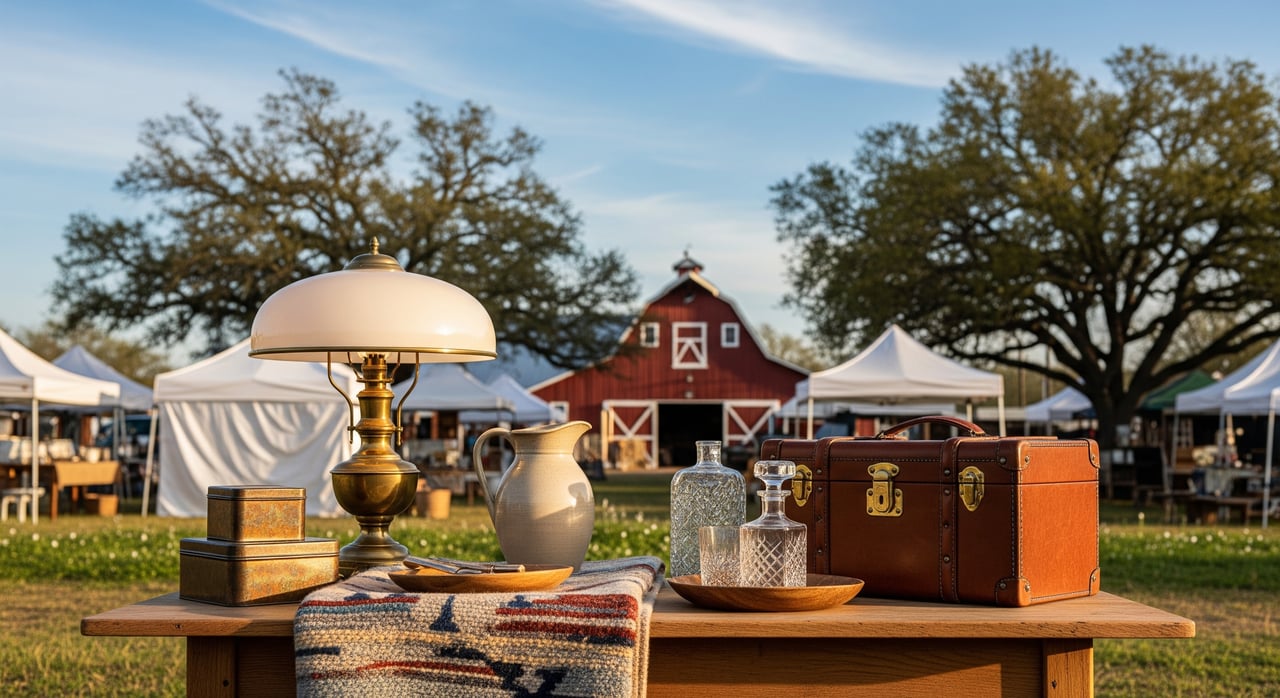
Emergency services are a mix of municipal and volunteer fire departments. Health care includes local clinics and urgent care in larger towns, with major hospitals in nearby cities such as Tyler. For shopping and services, county towns cover daily needs. For larger retail or specialty services, you may drive to the metro. Canton is also known for First Monday Trade Days, a major monthly market that draws visitors and adds to the local culture.
- Helpful resource: Review Texas school performance and district information with the Texas Education Agency.
Costs and seasonal upkeep
Land takes routine care. Budget time and money for fence work, brush clearing, pasture management, road grading, and pest control. Equipment like a tractor or heavy-duty mower can be useful. If you prefer to outsource, get on local contractors’ schedules early, since wait times can vary.
East Texas weather matters. Expect hot summers, periodic droughts, and heavy rain events. Wet seasons can affect pasture growth, well recharge, and driveway conditions. Dirt and gravel roads may need extra attention after storms to stay passable.
Quick buyer checklist
Use this list to streamline your due diligence for small-acreage properties in and around Van and Canton:
- Confirm boundaries and request a recent survey.
- Identify the school district and review TEA reports.
- Obtain a title commitment and check for mineral reservations and easements.
- Verify water source: public system or private well. Get a well test and pump details.
- Inspect the septic system: capacity, age, permits, and drain field location.
- Confirm electric service provider and any line-extension costs.
- Check broadband and cell service at the homesite and outbuildings.
- Review deed restrictions, HOA/CCR documents, and any city codes if inside city limits.
- Request recent tax history and ask the appraisal district about agricultural/productivity appraisal eligibility.
- Visit at different times to gauge traffic, noise, and coverage.
- Confirm fire and EMS coverage and drive times to your preferred hospital.
- Ask about road maintenance and access during wet weather.
Buying acreage is exciting, and a little homework goes a long way. If you want a local partner who knows Van, Canton, and the backroads in between, reach out to Debbie Wold for clear guidance and hands-on support.
FAQs
How does Texas agricultural appraisal work in Van Zandt County?
- The county appraisal district administers productivity appraisal that can reduce taxes when land is used for bona fide agriculture. You must meet use and documentation requirements and consistent use is key.
What should I check about a septic system on a rural property?
- Ask for permits, age, capacity, maintenance records, and the drain field map. Plan a pump-and-inspect and review TCEQ guidance to confirm standards and future upgrade options.
How do I verify broadband options for a homesite near Van or Canton?
- Use the FCC National Broadband Map to see available providers, then test service on-site at the house pad and outbuildings. Make connectivity a contingency if remote work is essential.
What should I know about private roads and easements on acreage?
- Confirm legal access, who maintains the road, and shared cost agreements. A current survey and title review will help identify easements and boundary questions before closing.
Are there limits on keeping animals on small acreage inside city limits?
- Rules vary by municipality and subdivision. If a property sits inside a city, review the local code and any deed restrictions to confirm allowed animal types and structures.
Which loans work best for buying a home on 5 to 10 acres?
- Conventional, FHA, and VA loans can work for homes, subject to well and septic standards. USDA Rural Development loans may help in eligible rural areas for qualified buyers and properties.
How does fire protection affect homeowners insurance in rural areas?
- Insurers consider distance to the nearest fire station and water availability. Many rural areas rely on volunteer departments, so location can influence rates and underwriting.